
Quick answer
The best hair extensions for beginners are clip-ins or a halo. Both are 100% Remy human hair you put in and take out yourself in minutes, with no glue, heat or salon visit. Match the shade to your mid-lengths, start with a full set, and move to tape-ins only once you want longer wear.
If you are shopping for hair extensions for beginners, the choice looks bigger than it is. Two questions matter at the start: do you want hair you take out every night, or hair that stays in for weeks? And does the shade match the lengths of your own hair? Get those right and blending and aftercare get much easier.
In this guide
What are hair extensions?
Hair extensions are pieces of hair attached to your own to add length, thickness, or both. They come in two broad materials: synthetic fibre and real human hair. Synthetic is cheaper but melts under hot tools and tangles quickly. Human hair can be washed, curled and straightened like your own.
The grade of human hair matters as much as the material. Every Superior Hair extension is 100% Remy human hair, which means the cuticles are kept intact and aligned in the same direction, root to tip. Aligned cuticles lie flat against each other, so the hair tangles less, keeps its shine, and moves like natural hair. Non-Remy hair is often stripped with acid and coated in silicone, which looks glossy in the packet and turns dry and matted after a few washes. Superior Hair says its hair can last up to three years with proper care, largely because of those preserved cuticles.
New to extensions?
Ready-to-wear methods go in and come out at home, with no appointment and no commitment. They are the easiest place to start.
Browse ready-to-wear hair extensions →Types of hair extensions, compared
Every method falls into one of two groups. Ready-to-wear (temporary) extensions you fit yourself and remove at the end of the day. Semi-permanent extensions are installed by a stylist and stay in for weeks at a time.
Ready-to-wear: clip-ins and halos
Clip-in extensions are wefts of hair sewn onto small pressure clips. You snap each one onto a section of your own hair near the root. Superior Hair's Classic Clip-Ins come as a 9-piece set in lengths from 14 to 26 inches. If your hair is fine and you worry about a bulky seam showing, the seamless clip-in extensions use a thin silicone base that sits flatter against the head.
Halo extensions are a single weft on a clear, adjustable wire. You place the wire around your crown like a headband and pull your own hair over it. Nothing is clipped, glued or taped to your hair, which makes a classic halo the fastest option going. The tradeoff: volume sits mostly at the back and sides, and you need enough hair on top to hide the wire.
Semi-permanent: tape-ins, bonds and wefts
Tape-in extensions are thin wefts with medical-grade adhesive. A stylist sandwiches a fine section of your hair between two tapes, so they lie completely flat. Ultra Seamless Tape-Ins are a popular first semi-permanent method because they are light and suit fine to medium hair. Expect a move-up appointment roughly every 6 to 8 weeks as your hair grows.
Nano tips and hot fusion U-tips attach individual strands, either with a tiny bead or a keratin bond melted with heat. They give the most natural movement but take the longest to install. Wefts (traditional, genius and butterfly) are rows of hair sewn or beaded onto a braid or track, and they suit thicker hair that can carry the weight.
All semi-permanent methods are fitted and removed by a trained stylist. They are not DIY jobs. If you are curious about a professional fit, Superior Hair's hair extension installation page explains what an appointment involves.
| Method | Who fits it | How long it stays in | Best for |
|---|---|---|---|
| Clip-ins | You, at home | One day; out before bed | First-timers, events, full control of placement |
| Halo | You, at home | One day; out before bed | Fine or sensitive hair, speed |
| Tape-ins | Stylist | 6 to 8 weeks per fit, then moved up | Fine to medium hair wanting daily wear |
| Nano tips / U-tips | Stylist | Several months with maintenance | Natural movement, longer commitment |
| Wefts | Stylist | Several weeks per fit | Thicker hair, big volume |
Which type suits a beginner?
For most people, clip-ins. You control where the hair sits, you can take it out the moment it feels heavy, and if you do not love the look, nothing is stuck to your head for six weeks. A clip-in set also shows you what length and volume you like before you pay for a semi-permanent fit.
Choose a halo instead if your hair is very fine, if clips feel uncomfortable, or if you want something you can put on in the car. Choose tape-ins if you know you want extensions every single day and you are happy to book a salon visit every couple of months. Ask yourself honestly:
- Will I wear them daily, or mainly for occasions?
- Am I comfortable with regular salon appointments?
- Do I have ten spare minutes each morning?
- Is my hair long and dense enough to hide clips or tapes?
Still torn between the two most common options? This side-by-side on clip-in vs tape-in hair extensions goes deeper on cost, comfort and upkeep.
Choosing the right colour and texture
A wrong shade is the number one reason extensions look fake, and it has nothing to do with quality. Here is how to get it right.
Match your mid-lengths, not your roots
Your extensions blend with the hair around and below them, so match to your mid-lengths and ends in natural daylight. Roots are almost always darker and will throw you off. If you have visible regrowth or balayage, a rooted shade (darker at the top, lighter through the lengths) blends far better than a single flat colour.
Check your undertone
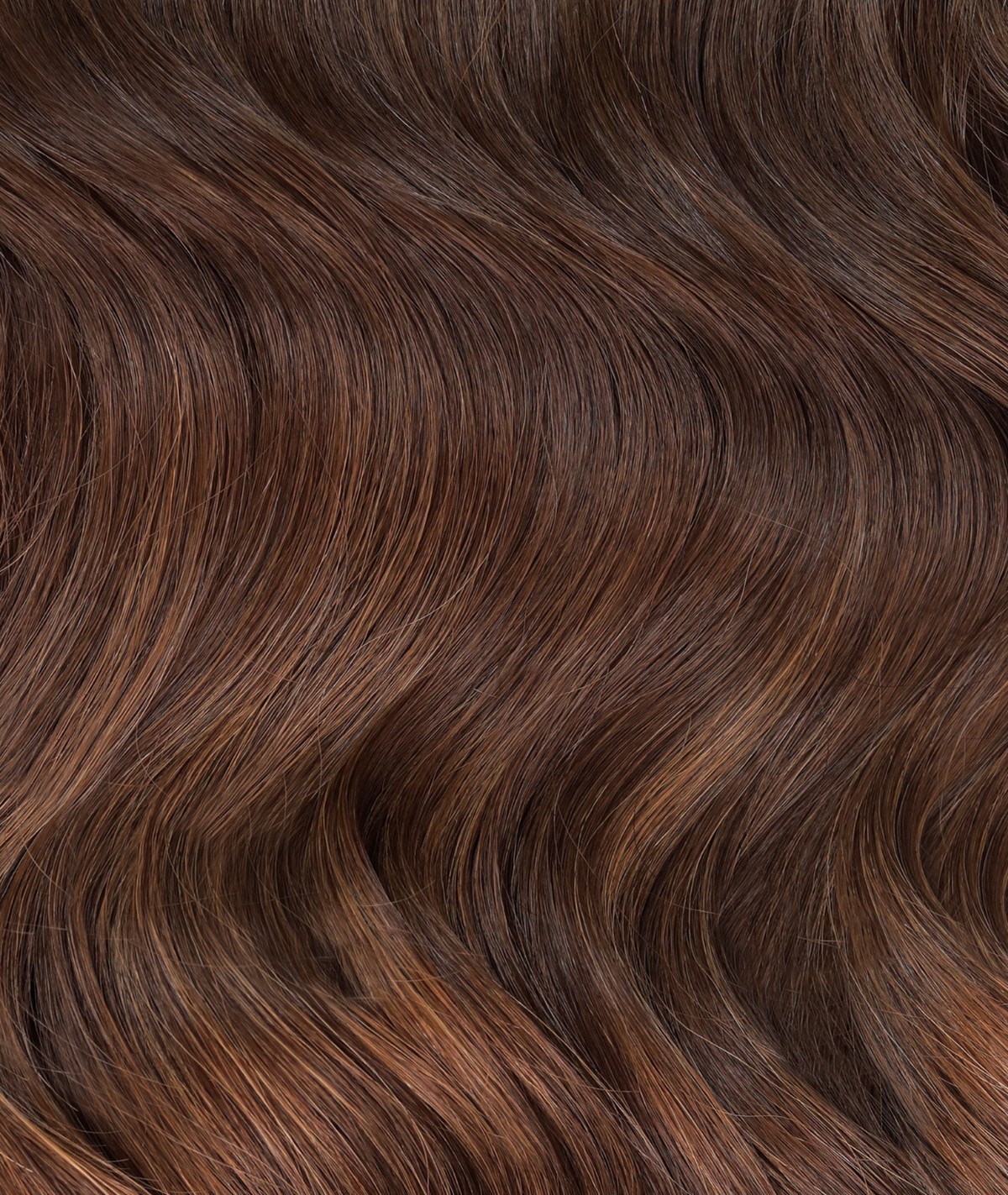
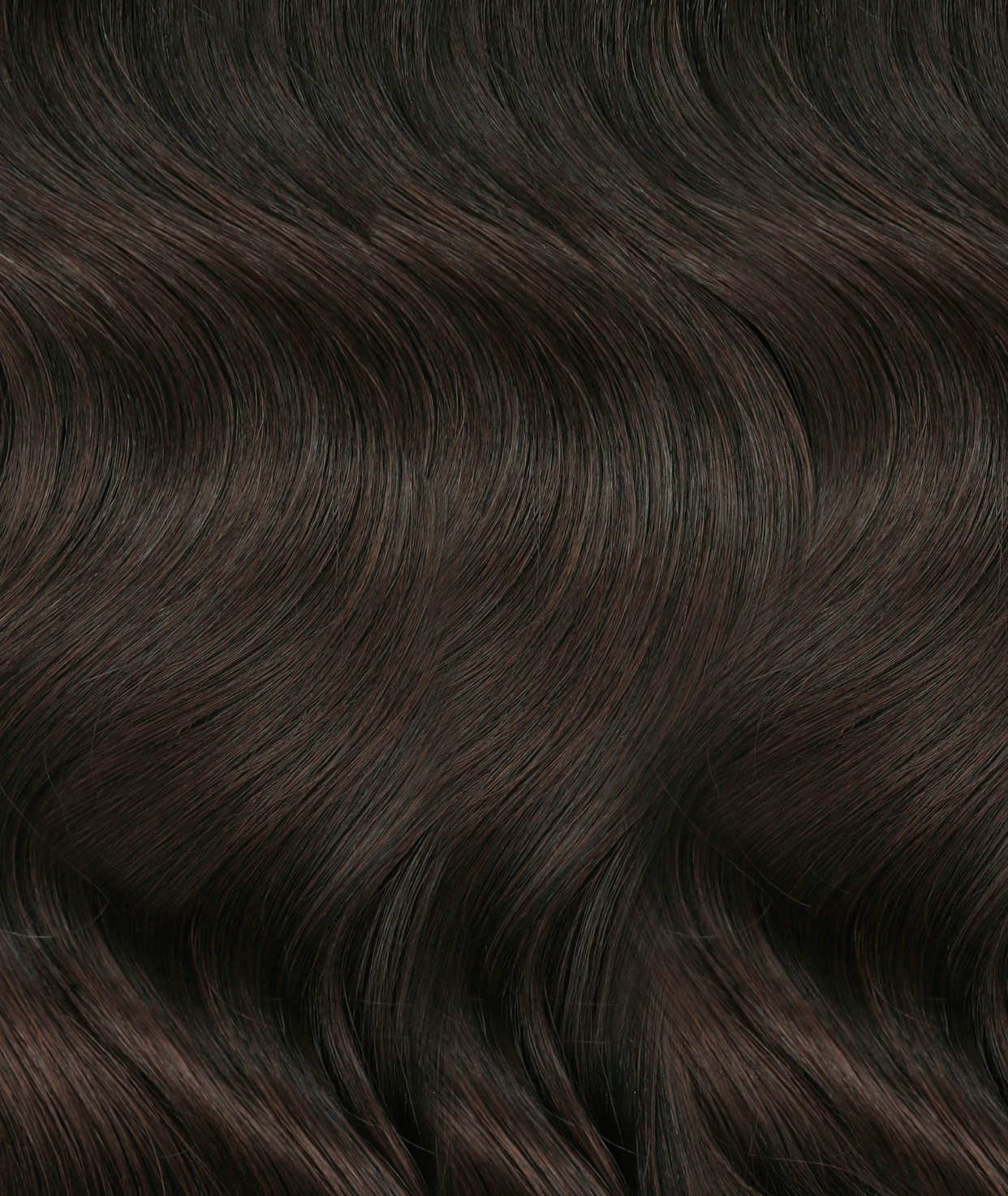
Warm hair leans golden, honey or copper. Cool hair leans ash, beige or icy. Most natural hair also carries a few tones at once, so a blended or multi-tonal shade usually looks more real than a solid one. Superior Hair stocks over 40 shades, so there is rarely a need to dye extensions to match.
Match your texture
Straight hair needs straight extensions, soft waves need a gentle wave, and curls need a matching curl pattern. If the textures differ, you will be heat styling every day just to make them blend, which is more work and more wear on both your hair and the extensions.
Not sure of your shade?
Send a photo of your hair in daylight and the Superior Hair team will recommend a shade for you, free of charge.
Get a free colour matchHow to put in clip-in extensions, step by step
Expect 15 minutes the first time and about five once you have the hang of it.
- Start with clean, fully dry hair. Clips slide on damp or oily roots. Condition only your mid-lengths and ends so the root area stays grippy.
- Brush out every knot with a loop brush or wide-tooth comb.
- Part a horizontal section at the nape with a tail comb and clip the rest of your hair up out of the way.
- Add a little grip. Lightly backcomb the root of that section or mist on dry shampoo.
- Place the first weft just below the part, close to the root but not pressed into the scalp. Snap the middle clip first, then the sides. It should feel secure, not tight.
- Work upward in rows about 2 to 3 cm apart, using the wider wefts across the back and the narrow ones at the sides.
- Stop a few centimetres below your part and away from the hairline, so there is enough natural hair on top to cover the clips.
- Blend. Brush through, then curl or wave your hair and the extensions together so any layers disappear.
If a clip peeks through, drop that row a little lower. For a full walkthrough with photos, see how to install your clip-in extensions perfectly.
Caring for your extensions
Extensions get no natural oils from your scalp, so they dry out faster than your own hair. Care decides whether a set lasts months or years.
Washing
Superior Hair recommends washing ready-to-wear clip-ins and halos only every 15 to 20 wears. Semi-permanent extensions can be washed like your own hair, but limit it to two or three times a week. Use lukewarm water, massage gently rather than scrubbing, and choose products free from sulphates, parabens, alcohol, proteins and keratin, all of which strip the hair. Condition the lengths only and keep conditioner away from clips, tapes and bonds.
Brushing and heat
Always brush dry, never wet. Start at the ends and work up, holding the weft or bond area so you do not pull on it. Human hair extensions handle curling wands and straighteners, but use a heat protectant every time and keep tools on a moderate setting (around 180°C or lower is a sensible ceiling).
Sleeping and storage
Take clip-ins and halos out before bed, brush them, and store them fully dry in their box or a breathable pouch, out of direct sunlight. With semi-permanent extensions, brush before bed, tie your hair in a loose braid or low ponytail, and sleep on a silk or satin pillowcase. Never go to bed with wet hair.
One tip most beginners miss: some sunscreens containing avobenzone or oxybenzone can stain light extensions orange or pink. Mineral sunscreens with zinc oxide are safer. The full Superior Hair care guide covers this and more.
Common beginner mistakes
Extensions rarely damage hair on their own. The damage comes from how they are worn.
- Wearing clip-ins every day in the same spot. Constant tension on the same sections can cause breakage. Shift placement slightly and give your hair rest days.
- Sleeping in temporary extensions. Clips pull and the hair mats overnight.
- Clipping too close to the hairline or too high. Wefts show, and fine hair at the front cannot carry the weight.
- Matching the shade to your roots. The lengths end up looking a different colour to yours.
- Using regular shampoo and heavy oils. Sulphates dry the hair, and oils near tapes or bonds make them slip.
- Pulling out tape-ins yourself. Tapes need a proper adhesive remover and a stylist. Forcing them out takes your own hair with them.
Avoid these, and hair extensions for beginners are an easy, low-risk way to get more length and volume.
Start with the set most beginners choose
Classic Clip-Ins are 100% Remy human hair in 9-piece sets from 14 to 26 inches, and go in at home in minutes.
Shop Classic Clip-In Extensions →Frequently asked questions
What are the best hair extensions for beginners?
Clip-in extensions are the best choice for most beginners. You fit them yourself in minutes, remove them every night, and there is no glue, heat or salon appointment involved. A halo is an even simpler alternative for fine hair. Move to tape-ins once you know you want extensions every day.
Are hair extensions safe for beginners?
Yes, when they are applied and cared for properly. Damage usually comes from clips placed too tightly, extensions worn to bed, or semi-permanent methods removed at home. Place clips on strong, clean sections, give your hair rest days, and leave tape-ins, nano tips and U-tips to a trained stylist.
How long do hair extensions last?
It depends on the method and your care routine. Superior Hair says its 100% Remy human hair can last up to three years with proper care. Clip-ins and halos last longest because they are worn less often. Tape-ins are typically moved up every 6 to 8 weeks and can often be reused for several fits.
Can I sleep or shower with hair extensions in?
Not with clip-ins or halos. Take them out before sleeping or showering. Semi-permanent extensions like tape-ins stay in while you sleep and wash. Brush them before bed, tie your hair in a loose braid, use a silk pillowcase, and never go to sleep with wet hair, as that causes tangling and matting.
How do I choose the right shade of hair extensions?
Match the extensions to your mid-lengths and ends in natural daylight, not to your roots. Check whether your hair leans warm or cool, and pick a blended or rooted shade if your colour has dimension. If you are unsure, Superior Hair offers a free colour match service from a photo of your hair.
How often should I wash clip-in hair extensions?
Superior Hair recommends washing clip-ins and halos every 15 to 20 wears, since they do not pick up oil from your scalp. Use lukewarm water and a sulphate-free, paraben-free shampoo, condition only the lengths, and let them air-dry completely before storing them in their box or a breathable pouch.